






In this article
The chill of winter often brings a heightened awareness of our health, as we seek warmth and comfort in our daily lives. As the days grow shorter and the nights longer, our bodies require more attention to maintain their natural defenses. This is the time when the importance of winter immunity comes to the forefront. Ensuring our immune system functions normally becomes a priority, and understanding the nutrients that contribute to immune health is essential.
Understanding Nutrients for Immune Health
During the winter months, our bodies need specific nutrients to help support normal immune function. Vitamin C is well-known in this regard, contributing to the normal function of the immune system. It plays a vital role in maintaining a healthy lifestyle, especially when obtained through a varied diet rich in fruits and vegetables. Another critical nutrient is vitamin D, which contributes to the normal function of the immune system as well. This vitamin is naturally synthesized by the skin in response to sunlight, but during winter, supplementation might be necessary due to reduced sun exposure.
Zinc is another essential mineral that contributes to the normal function of the immune system. It is found in a variety of foods, including meat, shellfish, legumes, and seeds. Adequate zinc intake is crucial, as it supports the body's natural processes. Lastly, while probiotics themselves cannot be credited with specific health claims, they are often consumed to maintain the balance of gut bacteria, which is intricately linked to overall health, including the immune system. For those interested in a comprehensive approach, the The Daily Range offers a selection of supplements designed to support daily nutritional needs.
Comparing Forms and Bioavailability
Vitamin C: Ascorbic Acid vs. Liposomal
Vitamin C supplements are available in various forms, with ascorbic acid being the most common. It is often well-absorbed, but high doses can sometimes cause digestive discomfort. Liposomal vitamin C is another option, designed to enhance absorption and reduce gastrointestinal issues. While both forms contribute to the reduction of tiredness and fatigue, choosing the right one depends on personal tolerance and preferences.
Vitamin D: D2 vs. D3
Vitamin D supplements typically come in two forms: D2 (ergocalciferol) and D3 (cholecalciferol). Vitamin D3 is generally considered more effective in raising and maintaining vitamin D levels in the blood. This form is often derived from animal sources, but vegan options are available, ensuring everyone can find a suitable supplement. Vitamin D contributes to the normal function of the immune system, making its bioavailability crucial during winter.
Zinc: Sulfate vs. Bisglycinate
Zinc supplements vary in their forms, with zinc sulfate and zinc bisglycinate among the most common. Zinc bisglycinate is often praised for its enhanced absorption and reduced gastrointestinal discomfort compared to zinc sulfate. Both forms, however, effectively contribute to the maintenance of normal skin, hair, and nails, as well as the protection of cells from oxidative stress. Evaluating personal digestive tolerance and absorption efficiency can guide your choice.
How to Choose Quality and Read a Label
When selecting immune health supplements, it is essential to pay close attention to the label. Start by checking the form of the nutrient used, as different forms have varying levels of bioavailability and digestive comfort. For instance, liposomal vitamin C or vitamin D3 might be preferable for enhanced absorption. Examine the dosage per capsule or serving size, ensuring it aligns with your dietary needs and does not exceed the recommended daily intake.
Look for additional information such as excipients, which can affect the quality and absorption of the supplement. The capsule material is another factor, with vegetal capsules being a preferred choice for those seeking plant-based options. Consider the country of manufacture and whether third-party testing has been conducted to ensure the product's safety and efficacy. Full traceability from ingredient sourcing to production is also a hallmark of quality, as seen in State's commitment to transparency and excellence.
Integrating Nutrients into Your Daily Routine
Incorporating immune-supporting nutrients into your daily routine can be straightforward with a bit of planning. Vitamin C is water-soluble and can be taken at any time of day, ideally with or without food, to suit your schedule. Vitamin D, on the other hand, is fat-soluble and should be consumed with a meal containing healthy fats to enhance absorption. Consistency is key, so taking these supplements at the same time each day can help establish a routine.
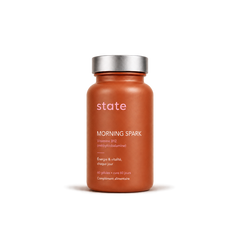
Zinc is best taken away from high-calcium foods or supplements to avoid absorption interference. Probiotics are most effective when taken on an empty stomach or with a small amount of food, depending on the strain used. Pairing these nutrients with other supplements, like those found in Night Reset or Morning Spark, can provide additional support for overall well-being. Remember that while supplements can support a healthy lifestyle, they are not substitutes for a balanced diet.
Who Should Pay Particular Attention
Certain groups may need to pay more attention to their nutrient intake during the winter months. Individuals with restricted sun exposure, such as those living in northern latitudes, may require vitamin D supplementation to maintain normal immune function. Similarly, those with dietary restrictions or limited access to fresh produce might benefit from vitamin C or zinc supplements.
Pregnant or breastfeeding women, as well as individuals under medical treatment, should consult a healthcare professional before starting any new supplement regimen. It's important to note that only a blood test prescribed by a doctor can establish a deficiency, ensuring that supplementation is appropriately tailored to individual needs. For a holistic approach, consider products like Clear Shield that support daily health maintenance.
Frequently Asked Questions
Can I take all these nutrients together?
Yes, you can take these nutrients together, but it's important to follow the recommended dosages and consider any potential interactions. For instance, zinc should not be taken with high-calcium foods to avoid absorption issues. Consulting a healthcare professional can provide personalized guidance.
How do I know if I need vitamin D supplementation?
Vitamin D needs can vary based on factors such as sun exposure, dietary intake, and individual health conditions. A blood test prescribed by a doctor is the most accurate way to determine your vitamin D levels and whether supplementation is necessary.
Are probiotics necessary for immune health?
While probiotics do not have authorized health claims in the EU for immune health, they are often consumed to support gut health, which is linked to overall well-being. Including probiotics in your diet can be part of a balanced approach to maintaining health.
What should I look for in a quality supplement?
Look for supplements with clear labeling of the nutrient forms used, dosage information, and any additional ingredients. Check for third-party testing, traceability, and the country of manufacture to ensure quality and safety. Products like those from State offer full transparency and traceability.
Are there any interactions to be aware of?
Yes, certain nutrients can interact with medications or other supplements. For example, zinc can interfere with the absorption of certain antibiotics. It is advisable to consult with a healthcare provider, especially if you are taking medication or have underlying health conditions.
The State Standard
State prides itself on formulating in France, ensuring full traceability of its ingredients from sourcing to production. Our supplements are encapsulated in vegetal capsules, offering a gluten-free option for those with dietary restrictions. With a commitment to quality and excellence, each bottle contains 60 capsules, designed to support a balanced and healthy lifestyle. Discover the benefits of our carefully curated range, including Calm Core and Silk Ritual, tailored to meet your nutritional needs.
Food supplements are not a substitute for a varied, balanced diet and a healthy lifestyle. Pregnant or breastfeeding women and people under medical treatment should consult a doctor or pharmacist.

