



Reishi: origins, researched benefits and when to take it
STATE editorial team · Updated Oct 12, 2026
In this article
Reishi is a common name applied to mushrooms in the genus Ganoderma, with longstanding use in Asian traditions. It is now offered in decoctions, powders and extracts, often for vitality, immunity or wellbeing. Its traditional uses are well known; clinical evidence remains limited and differs according to the objective studied. [1–5]
A mushroom can contain interesting substances without a capsule automatically improving health. Understanding reishi means considering the species, preparation, available trials and the person's circumstances. This guide explains its origins, explored benefits, timing and useful quality questions. The aim is to help you assess a proposal thoughtfully, rather than assume that a long history or an appealing supplement name establishes a personal need.
What is reishi and where does the name come from?
Reishi is commonly described as a reddish-brown, fan-shaped mushroom with a shiny surface. Reishi is associated with Japanese tradition, while lingzhi is widely used in a Chinese context. These are common names; Ganoderma identifies the scientific genus. [1–2]
The distinction matters on a label because a cultural nickname does not fully identify the raw material. Products using the same familiar name do not necessarily contain precisely the same mushroom or preparation. Ask for more specific identification before comparing amounts or studies. A well-known name can help you navigate a category, but it cannot establish equivalence between products or tell you how their material was cultivated and processed.
Asian history and modern provenance
Reishi has an important place in traditions from China, Japan, Korea and other Asian countries, including associations with vitality and maintaining health. This history explains current interest without proving a measurable medical benefit for every traditional use. [1–2]
For a modern supplement, distinguish ingredient history from the provenance of the product in front of you. Ask where the mushroom was grown, where the preparation was processed and where the final product was manufactured. A brand may evoke Asian heritage while using a different production chain. Batch traceability provides more concrete information than a story on the packaging. Both history and provenance can be interesting, but they answer different questions and should be described separately.
Why do Ganoderma names vary?
The name Ganoderma lucidum has historically been applied broadly to different reishi forms. Identification research shows that products sold under that name may contain other Ganoderma species, including G. lingzhi. Scientific classification and commercial usage do not map perfectly onto each other. [6]
You do not need to memorise a Latin list. The useful question is which material has actually been identified. A study on one species and preparation does not automatically apply to every other product. A precise name and an explanation of the identity check make comparisons easier. This is especially relevant when a seller cites a study but provides little detail about how its own material corresponds to what researchers used.
Which compounds are being investigated?
Research focuses on substances including polysaccharides, such as beta-glucans, and triterpenes. These are compound families present in different reishi preparations. Some studies explore immune parameters and other biological mechanisms. [1–2]
A mechanism observed in cells or animals does not independently demonstrate a benefit in a person. Equally, a beta-glucan percentage describes composition rather than guaranteed protection from infection. Product analyses need to be considered alongside relevant human trials. Scientific vocabulary is useful when it clarifies what was measured; it becomes less useful when it only makes a broad promise sound more impressive. Ask which findings describe the preparation and which, if any, demonstrate an outcome that matters clinically.
Immunity: what does supporting defences mean?
Reishi is often marketed for immunity. Research does investigate immune responses, but changing a marker does not automatically mean fewer infections or improved recovery from illness. Current evidence does not justify a general protection guarantee for everyone. [1–2]
Ask whether the claimed outcome is a laboratory measure, personal feeling or clinical event. Those levels are not equivalent. Someone receiving immunosuppressive treatment should not seek immune stimulation without advice, because the medicine serves a specific medical purpose. “Boost” and “defences” are too vague to determine suitability. A useful explanation should identify the person, preparation and outcome rather than treating a change in one biological parameter as proof of a stronger, healthier immune system in all circumstances.
Fatigue and vitality: an interesting but specific signal
A 2005 trial investigated a polysaccharide extract in 132 people with neurasthenia, a diagnosis used in that study for symptoms including fatigue. After eight weeks, some fatigue and wellbeing scores were more favourable with the extract than with placebo. [3]
This concerns a particular preparation and defined population. It does not establish that reishi powder resolves every energy dip, including after poor sleep or a demanding week. Persistent tiredness warrants assessment of its cause. The finding is a research lead that needs confirmation and interpretation alongside the wider evidence before becoming a general recommendation. An encouraging result can be discussed honestly without assuming that any product bearing the mushroom's name delivers the same effect.
Does reishi help with sleep?
Reishi is sometimes associated with evening routines and relaxation. However, the cited sources do not provide robust clinical evidence supporting a general recommendation to treat insomnia. Traditional use, or enjoying a warm evening drink, does not demonstrate a specific sleep effect from the mushroom.
A ritual may be pleasant without its ingredient being a treatment. If a formula contains coffee, melatonin or other plants, a personal experience cannot automatically be attributed to reishi. Explain persistent sleep difficulties and the ingredients used to a professional. The full formula matters more than the highlighted name. Before treating an evening marketing image as timing advice, ask whether the product has actually been studied for the sleep outcome being promised.
Glucose, cholesterol and cancer: important limits
A 2015 Cochrane review did not support reishi use to reduce cardiovascular risk factors in people with type 2 diabetes, based on the available trials. The findings do not establish treatment for glucose, blood pressure or cholesterol. [4]
Another review, concerning cancer, did not justify reishi as first-line treatment and highlighted study limitations. [5] Research alongside specialist care does not validate prevention claims or replacing treatment. With cancer, any preparation should be discussed with the care team: a proposed benefit does not remove possible interactions. It is essential to separate an investigation in a supervised clinical setting from a general wellness recommendation made to someone whose circumstances have not been assessed.
Benefits at a glance
| Objective | What to take from the evidence | Important limitation |
|---|---|---|
| Immune parameters | Research questions | Not guaranteed infection protection |
| Fatigue | Signal with a specific extract and population | Not an answer to every cause of tiredness |
| Sleep | Insufficient clinical evidence | Not a general insomnia recommendation |
| Cardiovascular risk | Trials do not support this use | Does not replace treatment |
Decoction, powder, extract or spores?
A decoction involves heating material in water during preparation. A simple infusion, powder and extract do not automatically supply identical profiles. Modern products may also use mycelium or spores. The word reishi does not identify which material is included. [1,4]
Follow instructions appropriate to the specific product instead of copying amounts for another form. Food powder should not be confused with concentrated extract, and spore powder is another presentation again. In a multi-ingredient product, ask for each ingredient's quantity. A longer list does not prove that a formula is more complete or better suited to you. Comparisons should begin with clear composition, rather than the assumption that every reishi preparation differs only in convenient packaging.
When to consume reishi: morning or evening?
No universally superior time has been established for reishi supplements. Morning or evening use may reflect personal organisation and manufacturer instructions rather than demonstrated effectiveness. A reputation as an evening mushroom cannot replace a clinical comparison of timing.
First check the full formula: a drink with caffeine poses a different practical question from a caffeine-free capsule. Follow directions and seek advice with medicines or chronic conditions. If discomfort occurs, do not assume that moving the dose to another time solves the problem. Tolerance and suitability come before a schedule. Advice should explain whether it rests on product instructions, convenience or research, without presenting those different foundations as equally strong evidence.
How much and for how long?
Studies have used varying doses and preparations. There is no single daily amount demonstrated as effective and appropriate for every reishi product. A particular trial's dose is not an instruction to copy with another extract or spore powder.
Ask what objective and follow-up justify possible use. A protocol lasting weeks does not establish that continuous intake for years is useful or safe. Avoid combining a drink, mushroom blend and capsule without considering overlapping exposure. If no relevant benefit is observed, reconsider the decision rather than routinely increasing the amount or adding more preparations. A clear plan includes the possibility of stopping, while persistent symptoms should prompt assessment instead of indefinitely extending a supplement experiment.
Precautions, interactions and adverse effects
Particular caution is needed with anticoagulants or antiplatelet medicines because reishi may increase bleeding risk. Immunosuppressants and cancer treatments also require medical review. Digestive adverse effects and other reactions have been reported. [1]
LiverTox describes rare liver-injury reports, with causality sometimes uncertain. [2] This supports neither labelling all preparations dangerous nor promising absolute safety. Stop the supplement and seek advice after significant symptoms. As a precaution, avoid independent supplementation in pregnancy, breastfeeding or children because adequate safety data are lacking, and disclose planned surgery to your professional. Keep packaging and batch details if a reaction develops. Describing a product as natural does not remove the need to assess its ingredients and medical context.
Understanding quality checks
A 2017 investigation of supplements purchased in the United States found differences in composition and consistency with stated information. It does not describe every current product, but illustrates why precise checks are more useful than the single word reishi. [7]
Ask for the species, material, batch number and analytical information. For an advertised percentage, clarify the method and relevant serving. Organic provenance or attractive packaging does not demonstrate a clinical benefit. Wild-collected material also raises identification and contamination issues: a photograph is insufficient to decide whether a mushroom can be consumed. [8] A responsible explanation should distinguish identity testing, composition and safety checks instead of using one certificate as proof of every possible quality or effectiveness claim.
Choose according to the real need
Before buying, state the objective concretely: ongoing fatigue, curiosity about a drink, sleep difficulties or a treatment-related concern. These situations do not call for the same response. The initial decision may be a consultation, an appropriate food exploration or no supplement.
If a preparation is considered, bring its composition and your medicine list to a pharmacist or doctor. Clarify the expected outcome, limitations and review point. Avoid starting several products simultaneously. Reishi has a rich history and interesting research questions; understanding them allows measured interest without treating a traditional mushroom as a universal solution. An informed choice can recognise both potential and uncertainty, and should remain open to a different approach when the original objective is not being addressed.
Frequently asked questions
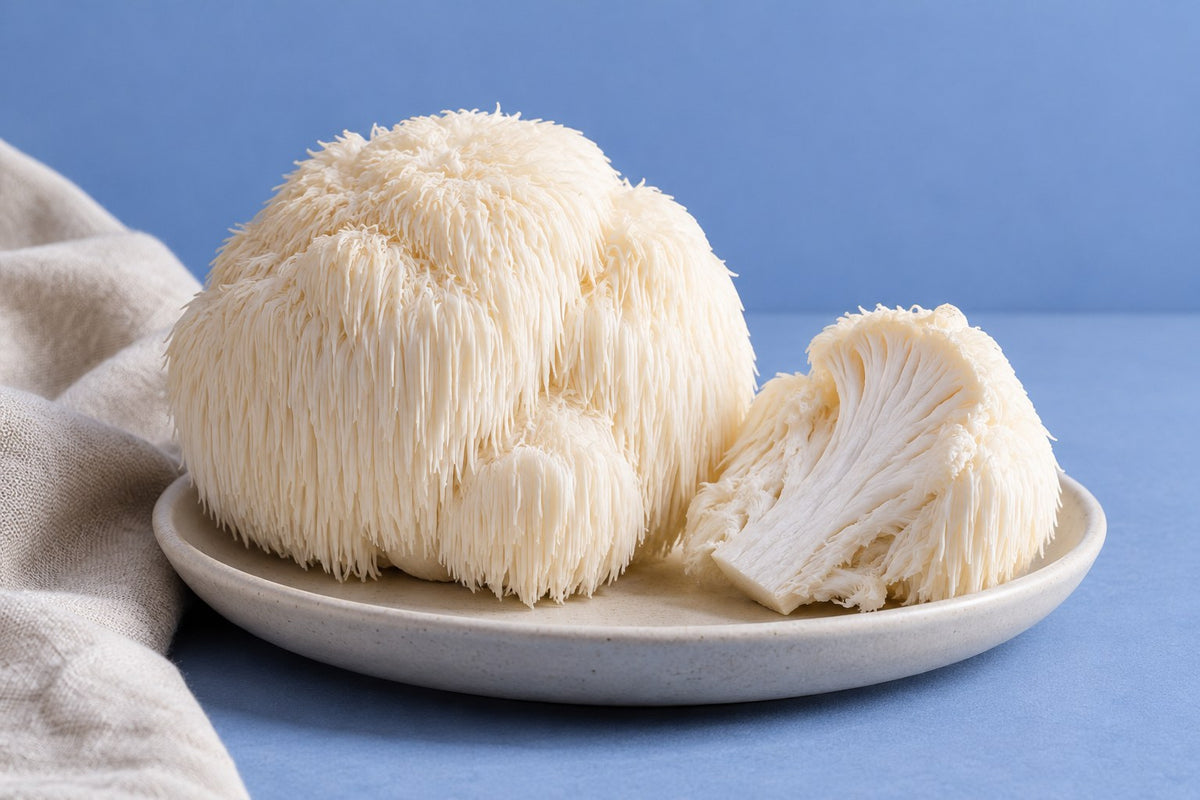
Is reishi the same mushroom as lion’s mane?
No. Reishi refers to Ganoderma mushrooms, while lion’s mane is Hericium erinaceus. Their materials and research differ. Combining them in a blend does not make them interchangeable.
Should it always be taken before bed?
No universally optimal timing has been established. An evening routine may be convenient without proving a specific insomnia benefit. Check the formula's other ingredients too.
Does it reliably strengthen immunity?
No. Studied markers and traditional uses do not guarantee fewer infections. A claim needs a defined outcome and relevant evidence, especially for someone receiving medical treatment.
Is spore powder equivalent to an extract?
No. Material and preparation can differ. MSK also notes that spore powder may affect some laboratory results; tell your care team about it before testing.
Can it replace diabetes or cholesterol treatment?
No. The cited evidence does not justify replacement. Do not change prescribed treatment to try a supplement, and have any combination checked by a professional.
Is a multi-mushroom blend automatically better?
No. Ingredient quantities, precautions and the objective matter. A more complex formula can make it harder to interpret a personal experience or adverse effect.
Further reading
- Ashwagandha: origins, researched benefits and when to take it
- Lion’s mane: origins, researched benefits and when to take it
- Mushrooms used in dietary supplements
Sources and references
- Memorial Sloan Kettering Cancer Center — Reishi Mushroom
- NIDDK LiverTox — Lingzhi, Reishi
- Tang et al., 2005 — Ganoderma polysaccharide extract in neurasthenia: randomised trial
- Cochrane, 2015 — Ganoderma lucidum and cardiovascular risk factors
- Cochrane, 2016 — Ganoderma lucidum for cancer treatment
- 2018 — Ganoderma species composition in commercial reishi products
- 2017 — Quality consistency of Ganoderma dietary supplements
- Service Public — Cueillette et consommation de champignons : risques
Written by STATE. Updated and sources consulted on 12 October 2026. Informational content; does not replace personalised medical advice. Illustrative thumbnail.